Laser marking machine for metal

Laser marking machines for metal are the most reliable and efficient solution for permanent, high-contrast, and traceable marking on industrial metal components.

Automator designs and manufactures advanced laser marking systems engineered for demanding production environments, ensuring precision, repeatability, and long-term durability across a wide range of metals and applications.

From serial numbers and Data Matrix codes to logos, technical symbols, and regulatory markings, Automator laser marking machines deliver consistent results with minimal maintenance and maximum process integration.


Learn how laser marking works on metals and which technology to choose


Automator's laser marking machines

fiber laser marking

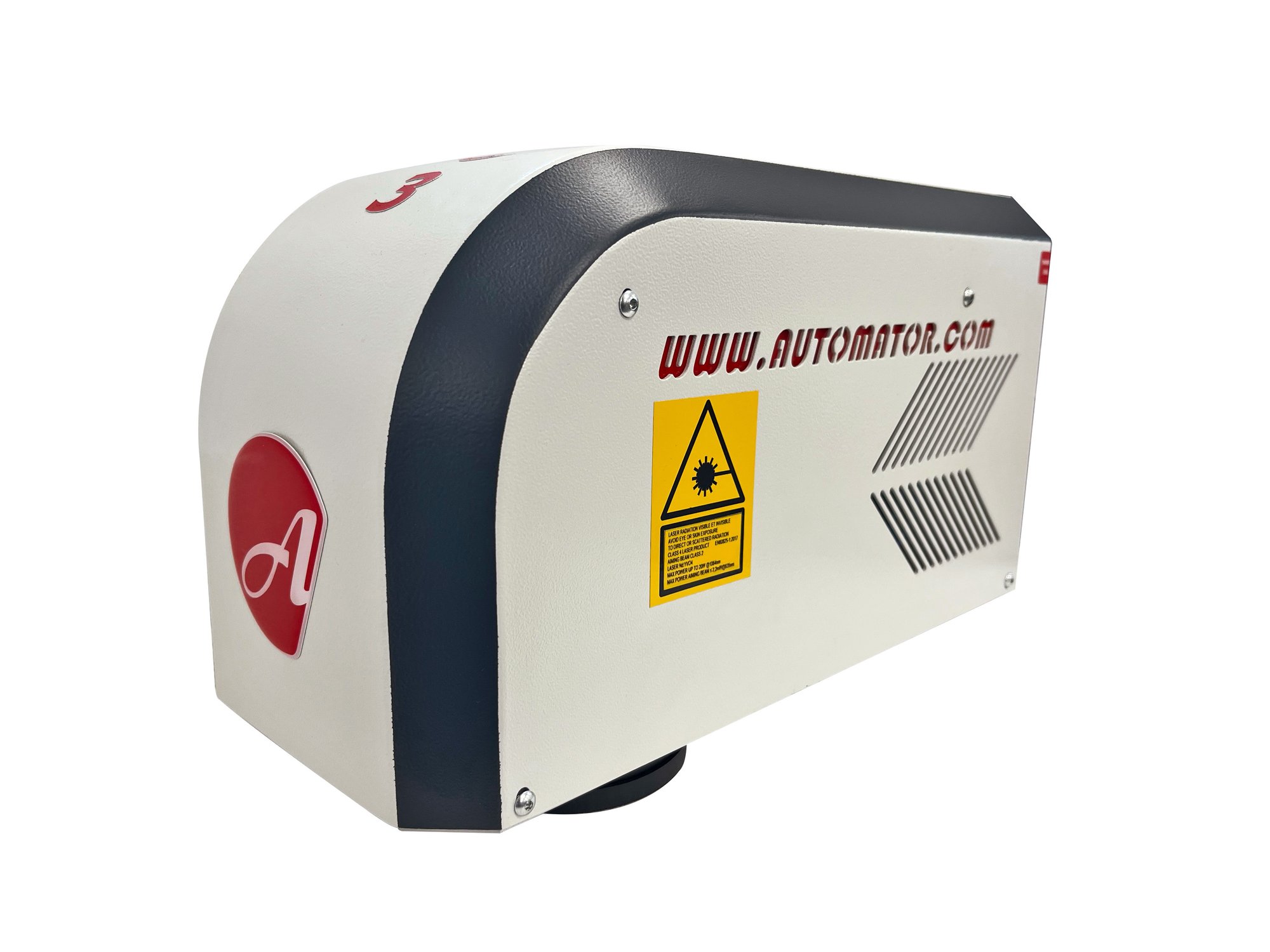
Fiber Laser Marking Machines

compact laser machines

Compact Laser Machines

portable laser machines

Portable Laser Machines

EOS

Laser Cabin Machines

On this page:

Metals suitable for laser marking

Laser marking machines for metal can process a wide variety of industrial metals, enabling permanent, precise, and high-contrast markings without physical contact or the use of consumables.

By adjusting laser parameters such as power, frequency, pulse duration, and scanning speed, it is possible to achieve different marking effects — including engraving, annealing, and surface marking — while preserving the mechanical integrity of the material.

Laser marking is particularly valued in industrial environments where traceability, durability, and readability over time are critical, even under exposure to abrasion, chemicals, or high temperatures.

Which metal do you need to mark?

u-channels-5528516_640

Steel

A widely used and versatile material, employed in mechanical and structural sectors. Marking requires deep and resistant technologies
materials-2937219_640

Stainless steel

Corrosion-resistant, ideal for harsh environments. Laser marking guarantees sharp results without altering the surface.
factory-2639751_640

Alluminum and anodized aluminum

Lightweight and ductile, widely used in aerospace and automotive industries. Requires technologies that prevent thermal deformation.
chain-3481377_640

Iron

Affordable and robust, used for structures and mechanical components. Easily markable with dot peen and laser engraving machines.
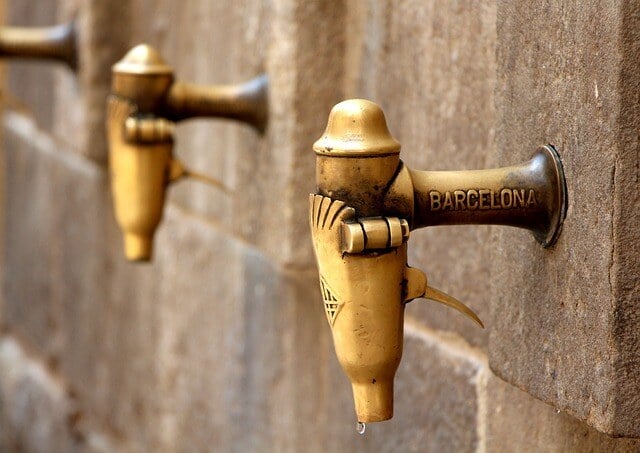
barcelona-953904_640

Brass

Non-ferrous alloy used in valves, fittings, and decorations. Excellent aesthetic results with laser marking and hot stamping.
chair-2589770_640

Titanium

Used in high-performance sectors such as medical and aerospace. Marking must be precise and non-invasive.
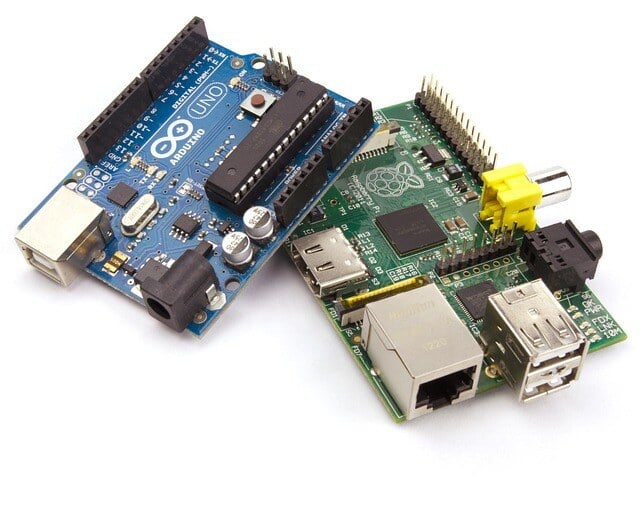
arduino-4753005_640

Copper

Excellent conductor, used in electronics and electrical engineering. Sensitive to heat, it can be marked with low-power lasers or electrolytic markers.
simple-4926967_640

Bronze

Copper and tin alloy, used in mechanical and artistic applications. Compatible with laser and dot peen marking machines.
macro-772044_640

Nickel

Used in coatings and special alloys. Requires abrasion- and corrosion-resistant marking.
screw-1924173_640

Special alloys

Technical materials designed for high performance. Automator technologies provide reliable marking even on complex alloys

Each metal requires a specific laser configuration to guarantee optimal marking quality, contrast, and cycle time.

Automator laser marking machines for metal are designed to adapt to different materials and production requirements, offering reliable performance across a broad range of industrial metals.


Laser technologies for metal marking

Choosing the right laser technology is a critical factor in achieving optimal marking quality, production efficiency, and long-term reliability when marking metal components.

Automator offers a range of laser marking solutions designed to address different materials, production volumes, and integration requirements, ensuring consistent and repeatable results across industrial environments.

Each laser technology differs in terms of power, wavelength, beam quality, and system configuration, making it suitable for specific applications and operational constraints.

Fiber laser technology

Fiber lasers are the most widely used solution for metal marking and represent the industry standard for high-performance applications.

They are particularly effective on:

  • stainless steel
  • aluminum
  • carbon steel
  • titanium
  • nickel alloys

Key characteristics:

  • Excellent beam quality for sharp and precise markings
  • High marking speed, ideal for medium- to high-volume production
  • Long service life with minimal maintenance
  • High energy efficiency and stable performance over time

Fiber laser marking is suitable for engraving, annealing, and surface marking, enabling the creation of serial numbers, Data Matrix codes, QR codes, logos, and technical symbols with outstanding readability and durability.


Compact laser marking systems

Compact laser marking machines are designed for environments where space optimization and flexibility are essential, without compromising marking performance.

These systems integrate laser source, control electronics, and marking head into a reduced footprint, making them ideal for:

  • small production cells
  • laboratories and R&D environments
  • standalone workstations
  • integration into existing machinery

Key characteristics:

  • Reduced overall dimensions
  • Fast setup and ease of use
  • Full compatibility with industrial automation and software interfaces

Compact systems are a practical solution for manufacturers seeking high-quality metal marking in limited spaces.

Portable laser marking machines

Portable laser marking machines are engineered for applications where the component cannot be moved or where marking must be performed directly on-site.

They are commonly used for:

  • large metal structures
  • heavy mechanical parts
  • assembled components
  • maintenance and retrofitting operations

Key characteristics:

  • Maximum flexibility and mobility
  • Ability to mark oversized or fixed metal parts
  • Consistent marking quality even outside traditional production environments

Portable laser systems allow manufacturers to extend laser marking capabilities beyond the production line, without sacrificing precision or traceability.

Laser marking cabins

Laser marking cabins provide a fully enclosed and safe marking environment, suitable for both manual and automated operations.

They are ideal for:

  • operator safety and regulatory compliance
  • high-precision marking processes
  • integration with robotic systems or conveyors

Key characteristics:

  • Enclosed structure for laser safety
  • Controlled working environment
  • Scalable configurations for automation

Laser marking cabins are often selected for industrial settings that require repeatable quality, process stability, and compliance with safety standards.

Selecting the right laser technology

The optimal laser technology depends on several factors:

  • type of metal and surface condition
  • required marking depth and contrast
  • production volume and cycle time
  • level of automation and integration

Automator supports customers throughout the selection process, providing application testing and technical consulting to ensure each laser marking machine for metal is perfectly aligned with production needs.


Industrial applications of laser marking on metal

Laser marking machines for metal are widely adopted across industrial sectors where permanent identification, traceability, and resistance to harsh operating conditions are mandatory.

Thanks to their non-contact process, laser systems ensure consistent marking quality without mechanical stress or consumables, making them ideal for both high-volume production and critical components.

Automator laser marking solutions are designed to adapt to different production environments, from standalone workstations to fully automated manufacturing lines.

Automotive industry

Laser marking plays a key role in ensuring component traceability and regulatory compliance throughout the automotive supply chain.

Typical applications include:

  • VIN and part identification codes
  • Data Matrix and QR codes for traceability
  • Logos and technical specifications on metal components
  • Marking of engine parts, chassis components, and safety-critical elements

Laser marking guarantees long-term readability even under vibration, heat, and exposure to oils or chemicals.

Aerospace industry

In aerospace manufacturing, every component must be permanently identifiable without compromising material integrity.

Laser marking is used for:

  • serial numbers and part IDs
  • traceability codes for quality and maintenance tracking
  • marking of high-performance alloys and titanium components

The precision and repeatability of laser marking ensure compliance with strict aerospace standards and documentation requirements.

Medical devices and healthcare

Laser marking is essential for medical metal components, where biocompatibility, cleanliness, and traceability are critical.

Applications include:

  • UDI (Unique Device Identification) codes
  • serial numbers and batch information
  • marking on stainless steel and titanium instruments

Laser marking produces permanent, contamination-free marks that withstand sterilization processes and regulatory inspections.

Mechanical engineering and industrial manufacturing

In general mechanical and industrial sectors, laser marking supports efficient production management and product identification.

Common applications:

  • serial numbers and production codes
  • technical symbols and safety markings
  • logos and branding on metal parts

Laser marking ensures durability and clarity even in demanding industrial environments.

Electronics and electrical components

Metal components used in electronics and electrical systems require precise and legible markings for identification and assembly.

Laser marking is applied to:

  • connectors and housings
  • conductive and non-conductive metal parts
  • identification codes for quality control

High-resolution marking ensures readability on small or complex geometries.

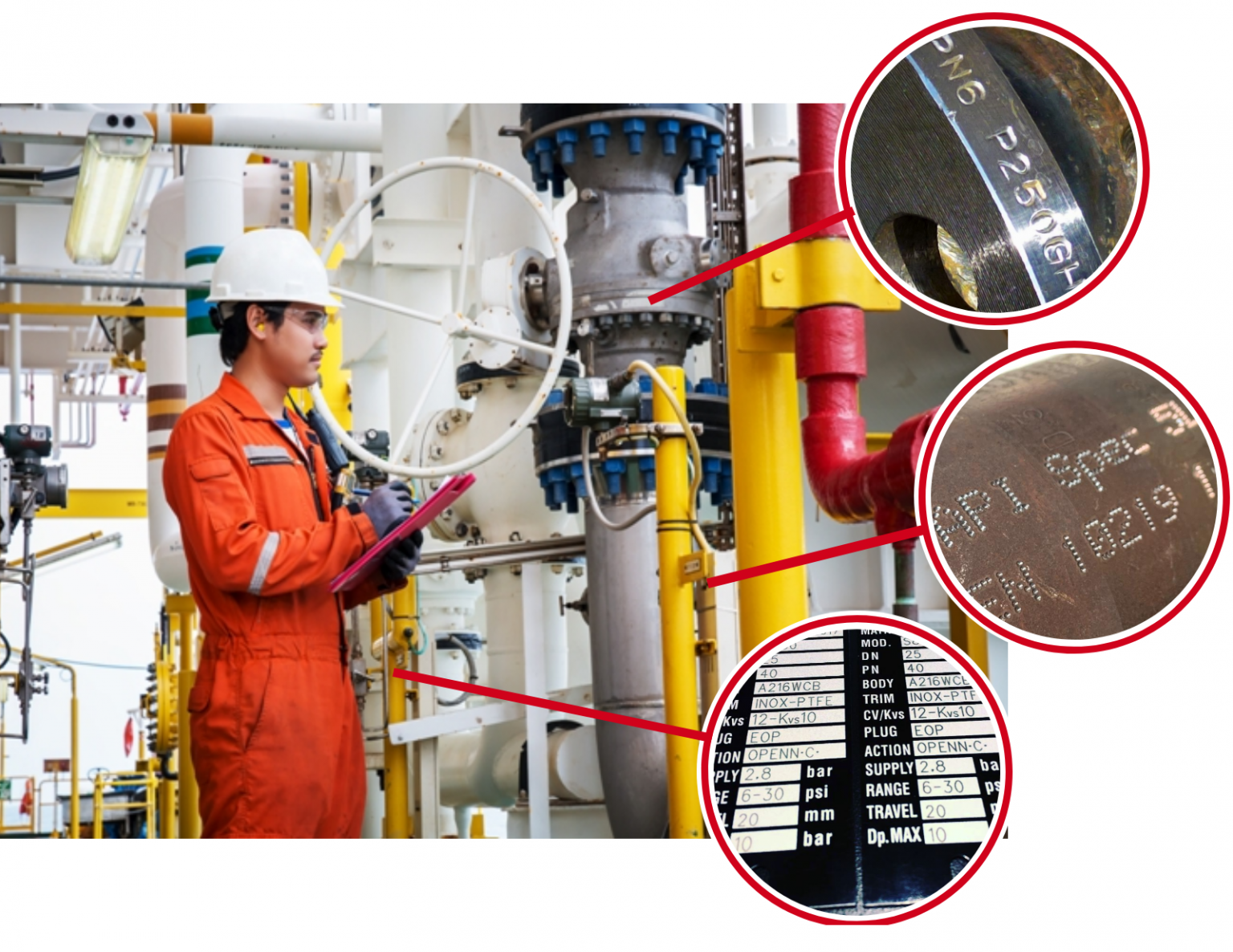
Energy, oil & gas, and heavy industry

In harsh environments, markings must remain legible over long periods despite extreme conditions.

Laser marking is used for:

  • industrial equipment identification
  • metal plates and tags
  • components exposed to heat, pressure, and corrosive agents

Laser marking delivers exceptional resistance and durability, making it suitable for long-life assets and infrastructure.

Why laser marking is ideal for industrial metal applications

Across all sectors, laser marking offers:

  • permanent and tamper-resistant identification
  • high precision and repeatability
  • compatibility with automation and Industry 4.0 systems
  • reduced operating costs due to the absence of consumables

Automator laser marking machines for metal are engineered to meet the most demanding industrial requirements, ensuring reliable performance across diverse applications.

Learn about the applications of Automator markers:
nameplate-marking

Marking license plates and nameplates, here's how to do it!

automotive

Marking in Automotive: the VIN number

ucerchioni-auto

Brief guide to marking car rims

microchip

Microchips, circuits and sensors: how to mark electronic components

brake discs

The marking of brake discs

altezz_fermoimmagine-310x230

Marking of surfaces of different heights, that's how!

Armi

The importance of marking in the arms industry

oilandgas

Oil & Gas: a brief guide on industrial marking

Automotive3

Industrial marking in the service of automotive

lingotti

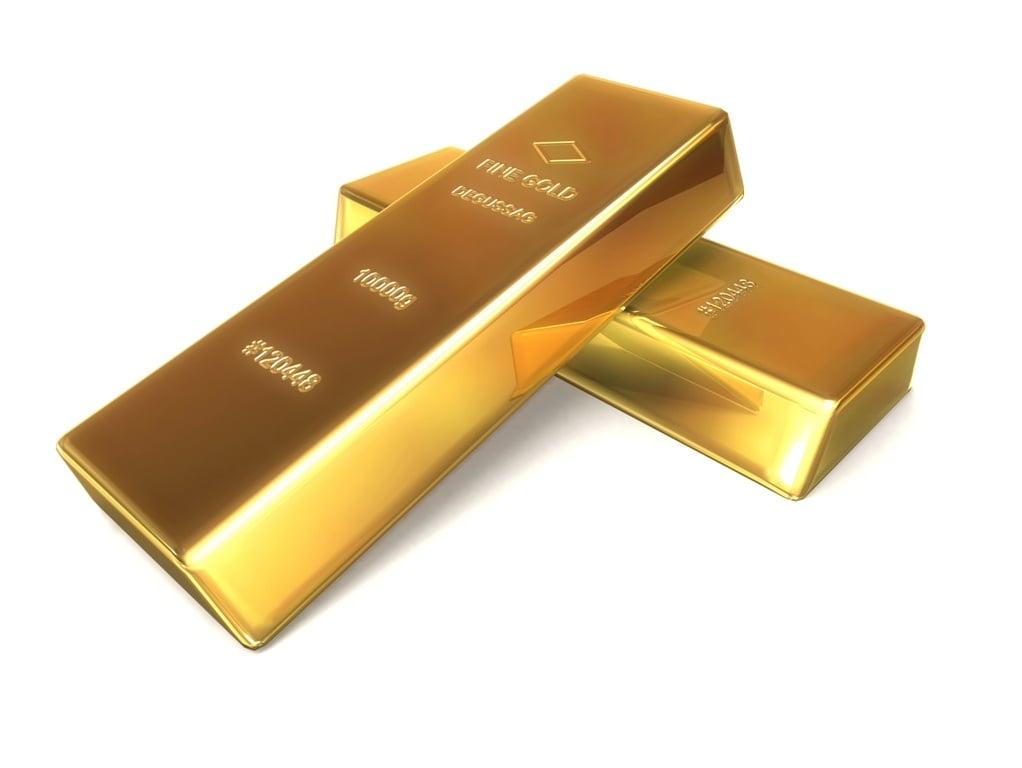
Gold bar marking: a mandatory mark on precious metals

turbine_detail_avionic2

Marking in the aerospace industry

Flange

Flange markings

siderurgia

Marking of steel products

Raccordi

Marking in the fittings industry

Why choose Automator laser marking machines for metal

Automator laser marking machines for metal are designed to meet the requirements of modern industrial manufacturing, where precision, reliability, and long-term performance are essential.

With decades of experience in industrial marking, Automator combines engineering expertise with application-driven design to deliver solutions that integrate seamlessly into production processes.

Key advantages of Automator laser marking solutions

Custom configurations and application support

Automator offers tailored solutions based on material, production volume, and marking requirements, supported by application testing and technical consulting.

Industrial reliability and long service life

Robust mechanical design and high-quality components ensure stable performance over time, even in demanding industrial conditions.

Easy integration into production lines

Laser marking machines are designed for integration with automated systems, including conveyors, robotic cells, and MES / ERP platforms, supporting Industry 4.0 environments.

Permanent and high-quality marking

Automator laser systems produce markings that are resistant to wear, abrasion, chemicals, and high temperatures. This ensures long-term readability and compliance with traceability and identification standards.

High precision and repeatability

Advanced laser sources and motion control systems guarantee consistent marking quality across large production batches, even on complex geometries or small metal components.

No consumables, low operating costs

Laser marking is a non-contact process that does not require inks, chemicals, or mechanical tools. This reduces operating costs, maintenance needs, and production downtime.

Flexibility across metals and applications

Automator machines can be configured to mark a wide range of metals, from stainless steel and aluminum to titanium and special alloys, adapting marking depth and contrast to specific application needs.

Every metal has its ideal marking method. Which one is right for your needs? Tell us about your process — we’ll recommend the perfect marking machine for your business.

FAQ – Laser marking machines for metal

Is laser marking permanent on metal?

Yes. Laser marking creates permanent marks that cannot be removed without damaging the surface. The markings remain legible over time, even under mechanical stress or environmental exposure.


Which laser technology is best for metal marking?

Fiber laser technology is the most common and effective solution for metal marking, offering high efficiency, precision, and versatility across most industrial metals.


Does laser marking affect the mechanical properties of the metal?

No. When properly configured, laser marking does not alter the mechanical strength or structural integrity of the metal component.


Can laser marking be used for high-volume production?

Yes. Laser marking machines are well suited for high-speed, continuous production and can be fully integrated into automated manufacturing lines.


Is laser marking suitable for small or complex metal parts?

Absolutely. Laser systems provide high-resolution marking, making them ideal for small components, fine details, and complex geometries.


Can Automator test my metal parts before purchase?

Yes. Automator offers application testing to evaluate marking quality and define the optimal laser parameters for your specific metal and application.


Are Automator laser marking machines compliant with industrial safety standards?

Yes. Automator systems are designed in accordance with international safety standards and can be supplied with enclosed cabins and safety features as required.


Can laser marking machines be customized?

Automator provides customized configurations to meet specific production, automation, and marking requirements.

Automator Marking Systems
USA | Canada

475 Douglas Ave, Chillicothe

OH 45601

USA


Phone: +1 740-983-0157

Mail: infousa@automator.com