Industrial marking plays a crucial role across manufacturing sectors, but within the firearms industry it is a matter of compliance, safety, and responsibility.
Every firearm must carry a permanent and unique identification, allowing authorities to trace its origin, ownership, and movements throughout its lifecycle — from production to disposal. In other words, all the components of a weapon must be permanently marked in such a way that they cannot be erased.
European and international laws strictly regulate firearm marking.
In the EU, Directive (EU) 2017/853 establishes that all firearms and their essential components must be clearly, permanently and uniquely marked and registered in national databases.
Similarly, in the United States, the ATF (Bureau of Alcohol, Tobacco, Firearms and Explosives) requires a minimum engraving depth of 0.003 inches and a height of at least 1/16 inch, including the manufacturer’s name, model, caliber, country, and serial number.
Marking is therefore not only a legal obligation but also a guarantee of transparency and security, preventing weapons from leaving official circuits or entering the black market.
On this page:
These are the most critical engravings for regulatory compliance.
Serial markings identify the firearm’s manufacturer, model, caliber, and production number, allowing full traceability across borders and throughout the firearm’s lifetime.
Legal and traceability markings (serial numbers, manufacturer codes, caliber, country of origin) require permanent, precise, and tamper-proof engraving.
Recommended technologies:
These technologies fully comply with EU Directive 2017/853 and ATF standards for traceability.
Functional markings are used for internal process tracking, lot identification, and maintenance data.
They are often applied to internal or structural components that are not visible to the end user but are essential for manufacturing control and after-sales traceability.
These markings serve manufacturing and operational purposes: batch codes, component references, and assembly identification.
They must be fast to apply, permanent, and legible under wear.
Recommended technologies:
ADP2560BA battery-powered portable dot peen industrial marker


ADP2050 FAST industrial dotpeen marker


ADP2560 industrial dotpeen marker for integration


ADP2560 industrial benchtop dot peen marker


ADP2560 industrial portable dotpeen marker


ADP25120 industrial dotpeen marker
ADP25120 industrial benchtop dot peen marker
.jpg?name=&width=250&height=250&name=25120_DOT3_03-iMPUGN%20(1).jpg)
.jpg?name=&width=1921&height=1766&name=25120_DOT3_03-iMPUGN%20(1).jpg)
ADP25120 industrial portable dotpeen marker
.jpg?name=&width=250&height=250&name=5090_DOT3%20(1).jpg)
.jpg?name=&width=1921&height=1766&name=5090_DOT3%20(1).jpg)
ADP5090 industrial dotpeen marker


ADP5090 industrial benchtop dot peen marker


ADP5090 industrial portable dotpeen marker


ADP120160 industrial dotpeen marker for integration


ADP120160 industrial benchtop dot peen marker


ADP120160 industrial portable dotpeen marker


ADP120160 DEEP industrial dotpeen marker


ADP300400 industrial dotpeen marker


ADP300400 industrial benchtop dot peen marker


MB15 impact machine - manual


MB19 impact machine - pneumatic
MB20 impact machine - manual


MB21 impact machine - pneumatic
MB32 impact machine - manual


MB35 impact machine - pneumatic


MB19VP impact machine - for integration
MB19VPN impact machine - for integration


MB21VP impact machine - for integration
.jpg?name=&width=250&height=250&name=MB35VP%20(1).jpg)
.jpg?name=&width=1921&height=1766&name=MB35VP%20(1).jpg)
MB35VP impact machine - for integration


Types


Special Types and Punches


Linear Typeholders


Circular Typeholders


Numbering heads – MB2


Numbering heads – MB14


Security box


Shanks


Numbering heads - MB5


MB15-19 Mechanism


MB20-21 Mechanism


MB32-35 Mechanism


Micro marker
Beyond compliance, firearm marking also serves a branding and aesthetic purpose.
Especially in the sporting and luxury firearm sectors, there is growing demand for customized engravings that combine technical precision with artistic detail.
Markings used for logos, aesthetic engravings, and personalization require detail, contrast, and surface integrity.
Recommended technologies:

The choice of marking technology depends on the type of marking, the material of the component, and the production volume.
Automator provides one of the most comprehensive portfolios in the industry, ensuring full adaptability to defense, sporting, or civilian firearm production.
|
Marking type |
Recommended technology |
Automator Series |
|
Serial / Identification |
Laser, Deep laser |
Awave, Arex, Amark |
|
Functional |
Dot peen, Impact |
ADP, AIM |
|
Decorative / Branding |
Laser, Deep laser |
Awave, Arex F, Amark |
Each solution guarantees permanent, legible, and compliant markings, supporting the safety and traceability objectives defined by international authorities.
Different firearm materials and surface treatments affect marking quality, contrast and durability. Choosing the right marking method and pre-/post-processing steps ensures permanent, legible marks without compromising part performance.
Since 1940, Automator Marking Systems has been designing, manufacturing, and servicing industrial marking machines worldwide.
Our long-standing presence in the firearms, aerospace, and automotive industries reflects our commitment to precision, ethics, and regulatory compliance.
475 Douglas Ave, Chillicothe
OH 45601
USA
Phone: +1 740-983-0157
Mail: infousa@automator.com




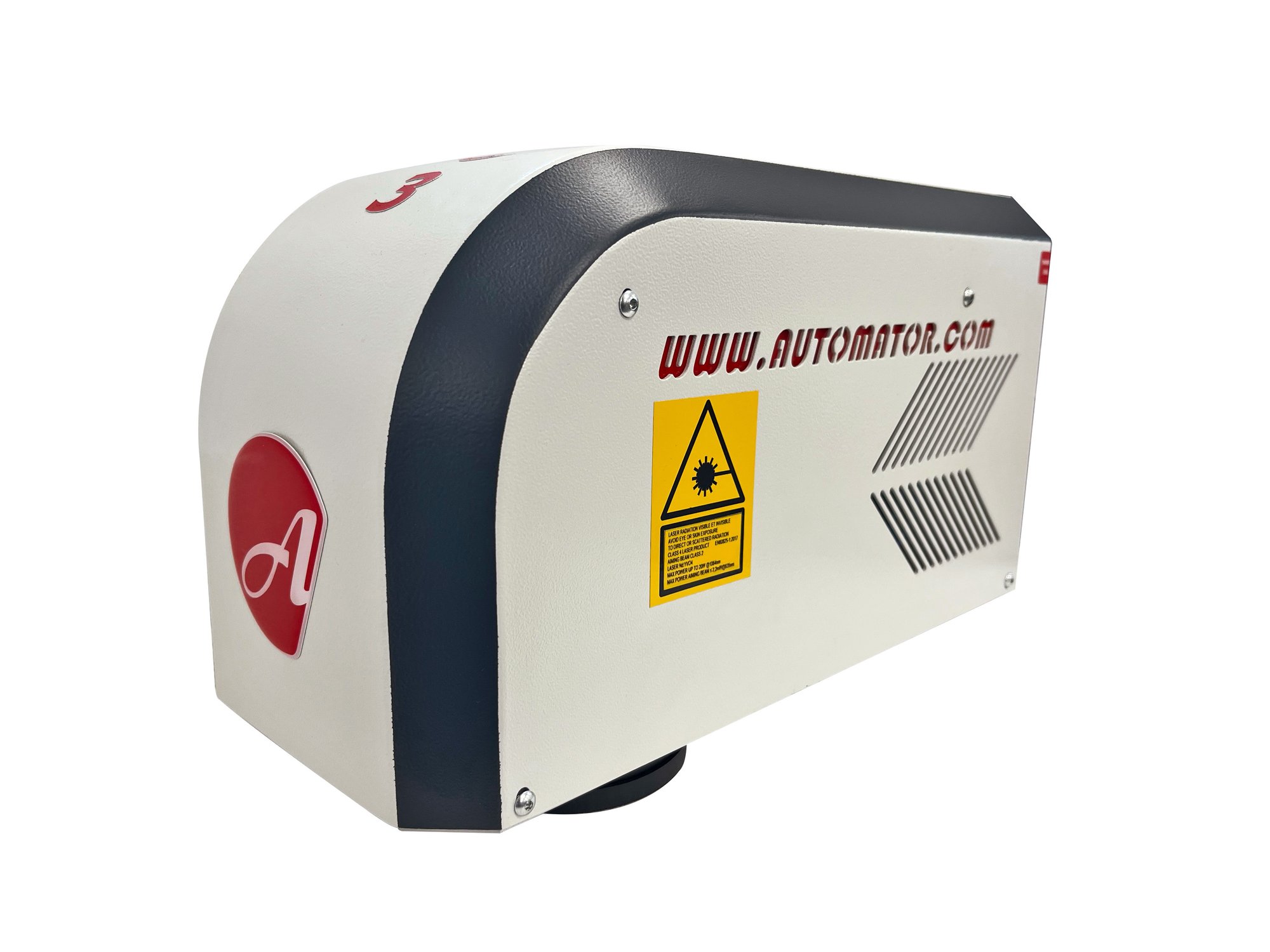
.png?width=753&height=590&name=colibr%C3%AC-low%20(1).png)
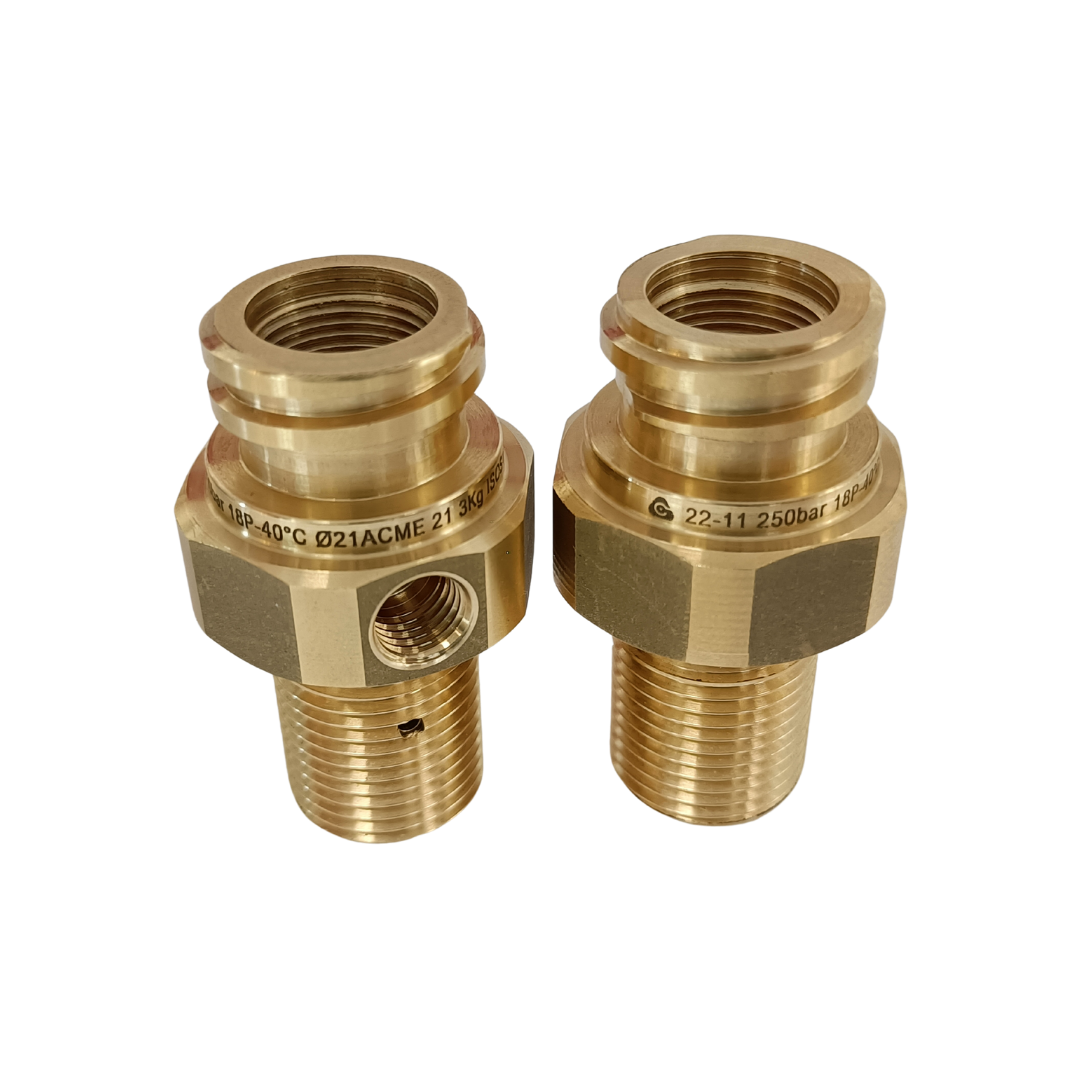
.png?width=1080&height=1080&name=Plastica%20(6).png)
.png?width=1080&height=1080&name=Legno%20(2).png)


.png?width=1080&height=1080&name=Gomma%20(2).png)